Our Theatre
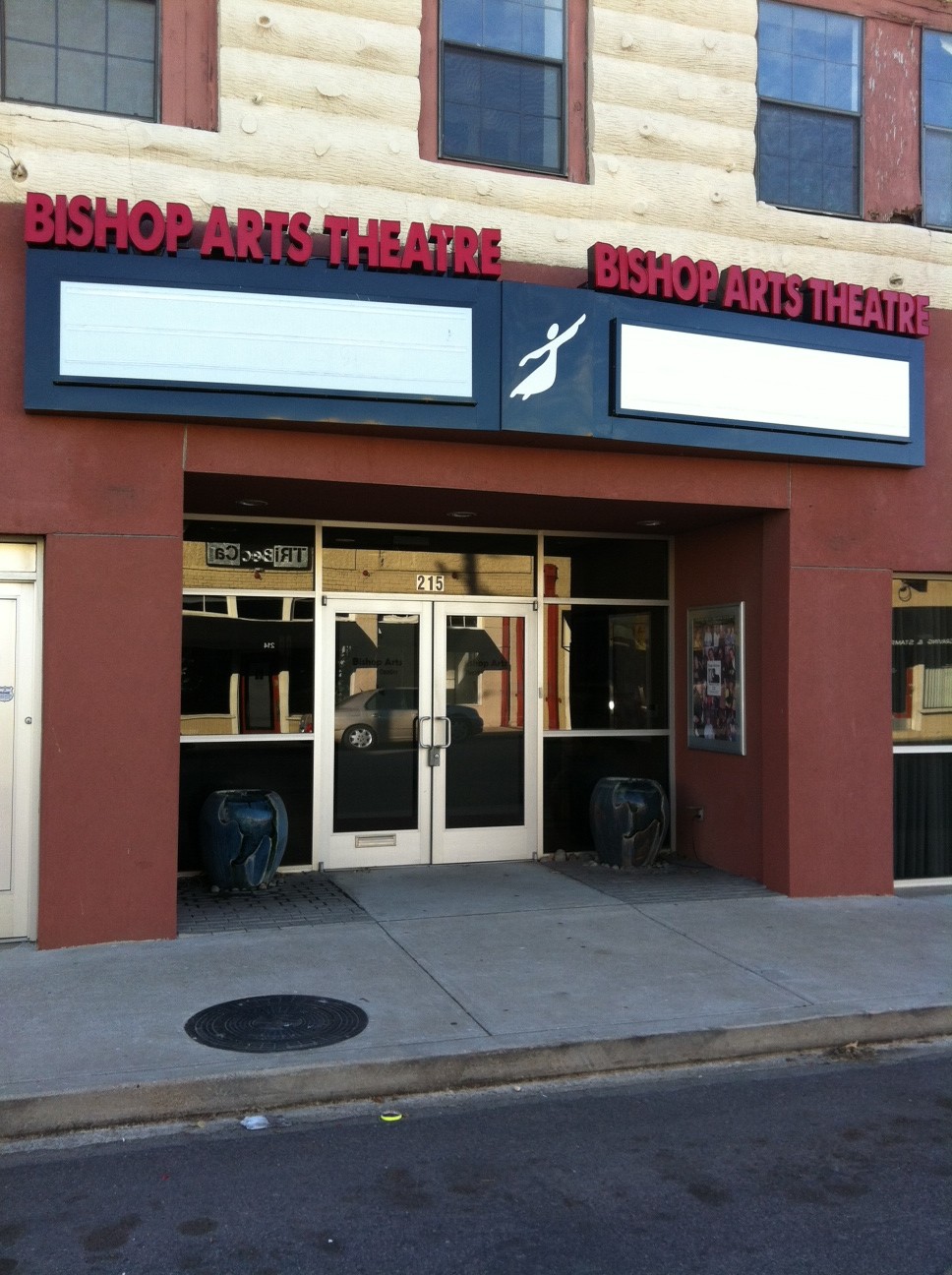
Nestled in the heart of Oak Cliff, the Bishop Arts Theatre Center occupies a historic building with a story that stretches back more than a century. Originally constructed between 1914 and 1917, the structure first served the neighborhood as a small silent-era cinema. Early Dallas newspaper listings and archival research show that the venue opened as a neighborhood picture house, known initially as the Texas Picture Theatre, one of Oak Cliff’s earliest movie theatres. By the early 1920s, the theatre had adopted the name Bluebird Theatre, a title that became part of local memory and is still associated with the site today.
As a silent-film house, the Bluebird/Texas Picture Theatre played an important part in the day-to-day cultural life of Oak Cliff residents of the 1910s and early 1920s. These early neighborhood theatres were modest, intimate storefront cinemas—small compared to the grand downtown opera houses and movie palaces of the period—but they offered convenient, affordable entertainment for working families and helped shape the early entertainment landscape of Dallas.
By the mid-1920s, the rise of larger, more modern theatres—especially the new Rosewin Theatre just around the corner—shifted film exhibition away from the little picture house on Tyler Street. After the silent-film era, the building entered a long and varied second life. Over the decades, it served the community in many practical ways, eventually becoming a commercial space. For years, it operated as an auto repair shop, and later it was home to a well-known Dallas photography studio. Each chapter left its mark on the building, but the structure itself remained a recognizable part of the Oak Cliff streetscape.
In 2005, after decades without a cultural tenant, the historic building was donated to the organization that would become Bishop Arts Theatre Center. A multi-year renovation began soon after, preserving the building’s original footprint while transforming it into a modern arts facility. Since reopening in 2008, the space has operated as a fully equipped, approximately 165-seat proscenium theatre, complete with rehearsal studios, dressing rooms, an arts incubator center, administrative offices, an art gallery, and a learning lab for arts education.
Today, Bishop Arts Theatre Center stands as both a working theatre and a carefully revived landmark, linking Oak Cliff’s early movie-house history to the vibrant, artist-driven community that defines the neighborhood now. The building’s evolution—from silent cinema to commercial workshop to a nationally recognized multicultural performing arts center—reflects the resilience and creative spirit of the community we serve.